(720) 999-8282


What Should Homeowners Know About Residential Roofing?
Residential roofing does a lot of heavy lifting. It protects your home from weather, supports energy efficiency, and quietly safeguards everything underneath it, yet it’s often one of the most misunderstood systems homeowners manage.
Many people don’t think about their roof until there’s a leak, a storm, or a major decision to make, which can make the process feel overwhelming. This guide is designed to break residential roofing down in a clear, practical way.
You’ll learn how roofing systems work, what materials are commonly used, how to recognize potential issues, and how to approach decisions like repairs, replacements, and storm-related damage with confidence— whether you’re planning ahead or responding to an unexpected problem.
At Mile High Roofing Services, we work with homeowners throughout Westminster, CO, and the North Metro Denver area every day, and we’ve found that the best roofing decisions start with good information. This guide reflects the questions we hear most often and the guidance we believe every homeowner deserves: clear, honest, and grounded in real-world experience.
What is Residential Roofing?
Residential roofing is the system of materials and components designed to protect a home from weather, manage water and ventilation, and support long-term durability and energy efficiency.
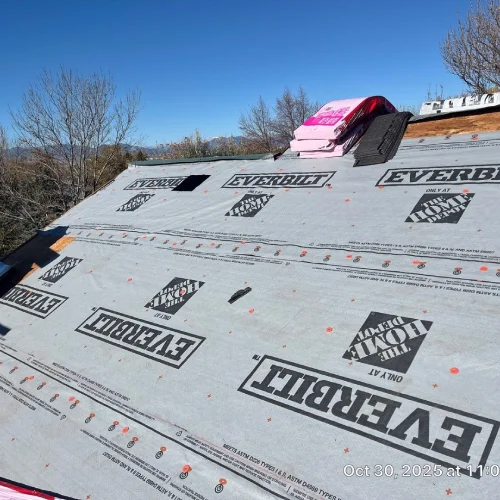
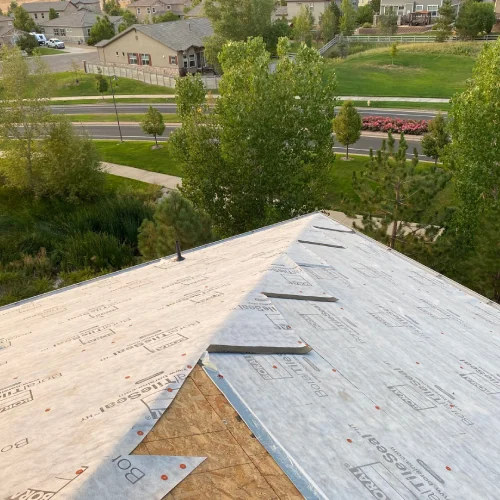
Residential roofing goes beyond the visible surface of the roof. While materials like asphalt shingles, metal panels, or concrete tiles provide the first layer of protection, the full roofing system includes underlayment, flashing, ventilation, and moisture barriers that work together to safeguard the home.
Unlike commercial roofing, residential roofing systems are typically pitched, allowing rain, snow, and debris to shed more efficiently. In climates like Colorado’s, where homes experience intense sun, snow, wind, and hail, proper material selection and installation quality play a critical role in how well a roof performs over time.
What Does a Residential Roofing System Include?
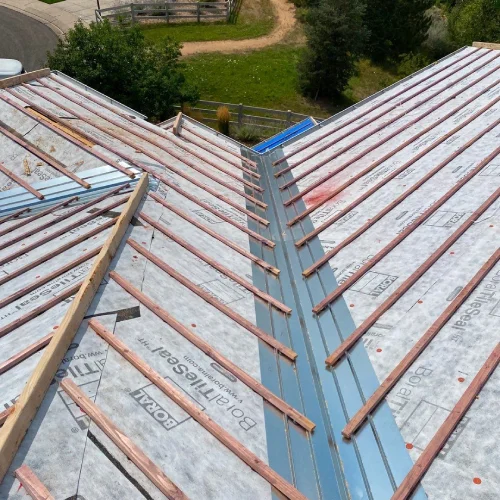
A residential roofing system includes multiple layers, such as roofing materials, underlayment, flashing, ventilation, and moisture barriers, that work together to protect the home and manage water, airflow, and long-term durability.
A residential roof is more complex than it appears from the ground. While shingles, panels, or tiles are the most visible elements, they are only one part of a multi-layered system engineered to protect the home.
A complete residential roofing system generally includes:
- Primary roofing material (such as asphalt shingles, metal panels, or concrete tile)
- Underlayment that provides secondary moisture protection
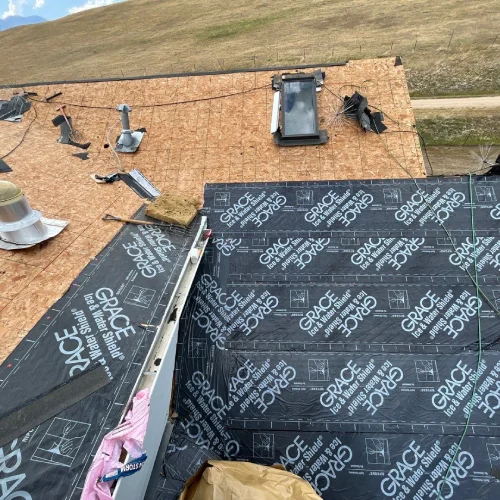
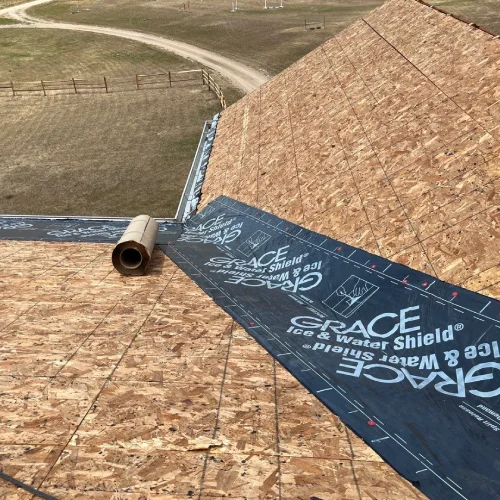
- Ice and water shield in vulnerable areas like eaves and valleys
- Flashing around roof penetrations, chimneys, and transitions
- Ventilation components that regulate attic airflow
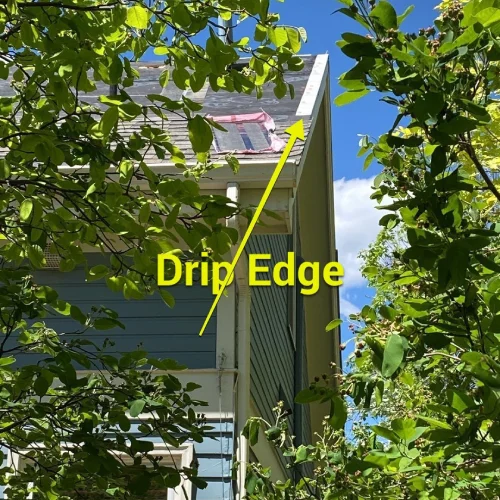
- Drip edge and edge protection to manage water runoff
- Fasteners and sealants appropriate for the roofing material and climate
When these components are properly selected and installed, they work together to prevent moisture intrusion, reduce heat buildup, and extend the life of the roof.
Installation shortcuts or mismatched materials can compromise the entire system, even when high-quality roofing products are used.
How Long Does a Residential Roof Typically Last?
Most residential roofs last between 20 and 50+ years, depending on material, installation quality, and exposure to weather.
Roof lifespan varies based on material type, installation quality, ventilation, and environmental exposure. While manufacturer warranties provide general expectations, real-world performance depends on how well the system is designed and maintained.
Typical lifespan ranges include:
- Asphalt shingle roofs: 20–30+ years
- Metal roofing systems: 40–70+ years
- Concrete tile roofs: 50+ years
Regular inspections and timely repairs can significantly extend the usable life of any residential roofing system, especially in areas prone to hail and heavy weather.
What Are the Most Common Residential Roofing Materials?
The most common residential roofing materials include asphalt shingles, metal roofing, and concrete tile; each offering different benefits in terms of durability, appearance, maintenance, and long-term cost.
Asphalt Shingle Roofing
Asphalt shingles are the most common residential roofing material in Colorado due to their balance of affordability, performance, and design flexibility.
They offer:
- Reliable protection in varied weather conditions
- A wide range of colors and profiles
- Compatibility with most home styles
- Proven performance when installed correctly
Because asphalt shingles are well understood and widely available, they remain a practical choice for many homeowners.
Metal Roofing
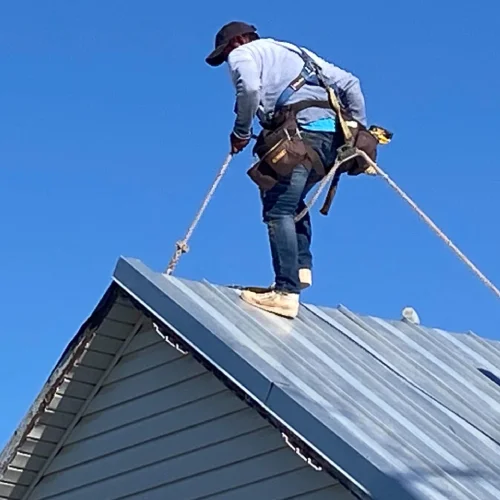
Metal roofing has grown in popularity as homeowners seek longer-lasting, low-maintenance options.
Advantages include:
- Exceptional durability and wind resistance
- Longer lifespan compared to asphalt shingles
- Fire resistance
- Energy efficiency through heat reflection
While metal roofing requires a higher upfront investment, it is often chosen for its longevity and performance in demanding climates.
Concrete Tile Roofing
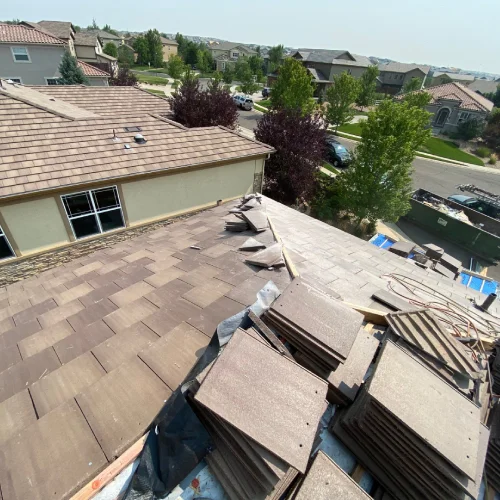
Concrete tile roofing is known for its durability and distinctive appearance.
Key characteristics include:
- Long service life
- Strong resistance to fire and severe weather
- Architectural appeal suited to specific home styles
Because tile systems are heavier and require specialized installation, experience, and proper structural considerations are especially important.
How Does Colorado Weather Affect Residential Roofing?
Colorado’s climate puts year-round stress on residential roofing, which is why roofs in this region must be designed to handle frequent weather extremes rather than mild, predictable conditions.
Homes in the Westminster, CO, and North Metro Denver area experience:
- Hailstorms
- Heavy snow accumulation
- Ice dam formation
- High winds
- Intense UV exposure due to elevation
These conditions make proper installation, ventilation, and material choice especially important. Roofing systems must be designed not only for appearance, but for long-term performance under stress.
What Are Common Signs of Residential Roofing Problems?
Common signs of residential roofing problems include visible shingle damage, interior water stains, debris or granules collecting in gutters, and structural irregularities that suggest the roof isn’t performing as it should.
Roof issues aren’t always obvious from the ground. Some problems develop slowly, while others appear suddenly after a storm.
Common signs of potential roofing issues include:
- Missing, cracked, or curling shingles
- Water stains on ceilings or walls
- Granule buildup in gutters
- Damaged flashing around roof penetrations
- Visible sagging or uneven roof lines
Addressing these signs early can help prevent more extensive damage.
Do I Need a Repair or a Full Roof Replacement?
Determining whether a residential roof needs repair or replacement depends on several factors, including the age of the roof, the extent of damage, and the overall system condition.
Repairs may be appropriate when:
- Damage is isolated
- The roof is relatively young
- The underlying structure remains sound
Replacement may be more practical when:
- The roof is nearing the end of its lifespan
- Damage is widespread
- Repairs have become frequent
- Storm damage affects large sections of the roof
Rather than defaulting to a one-size-fits-all solution, the goal is to evaluate the roof as a whole and determine what truly makes sense for the home. As a local, family-owned roofing company, Mile High Roofing Services prides itself on clear communication and straightforward guidance so homeowners understand their options and can make confident decisions without pressure.
How Does Storm Damage Impact Residential Roofing
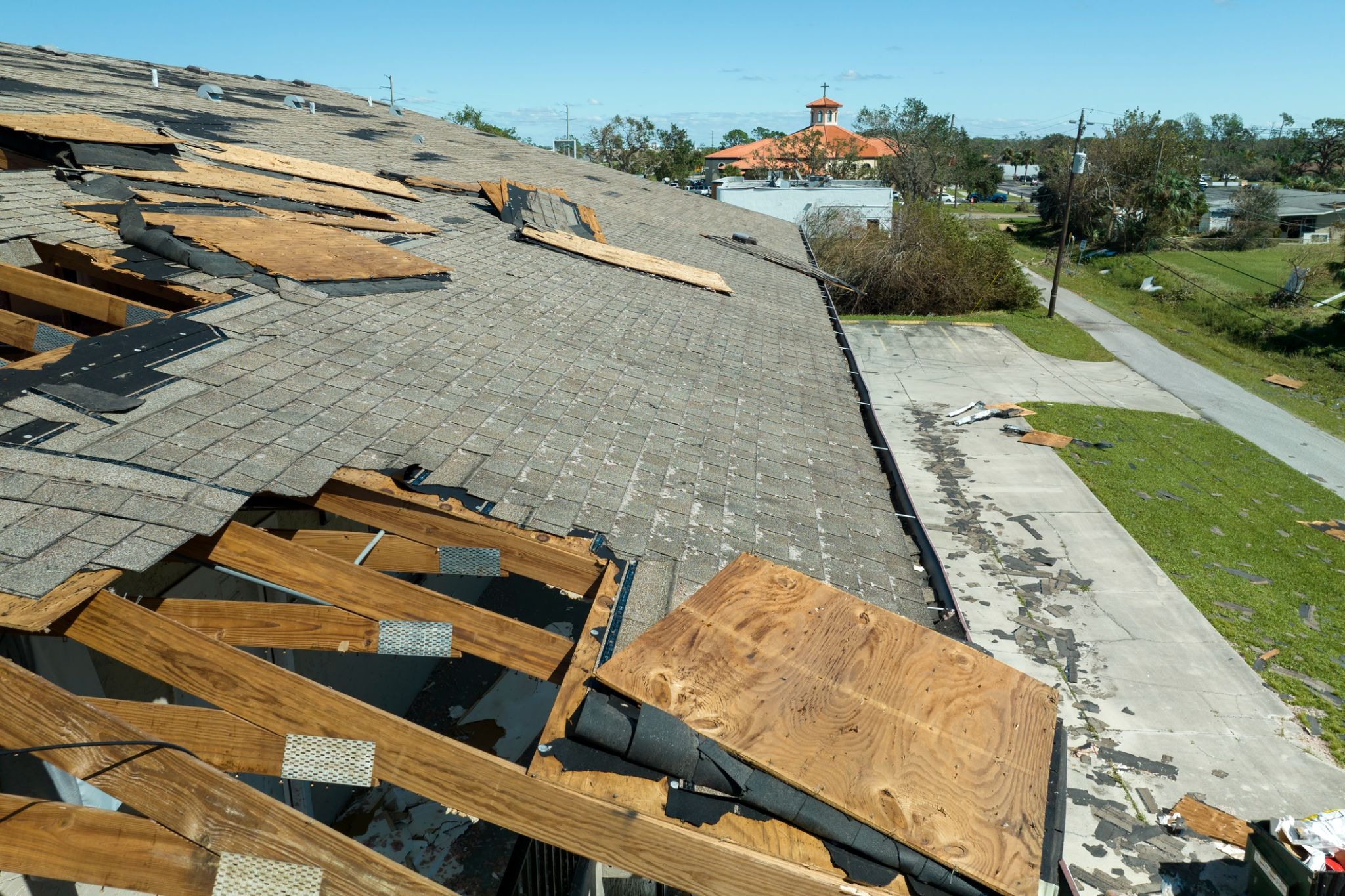
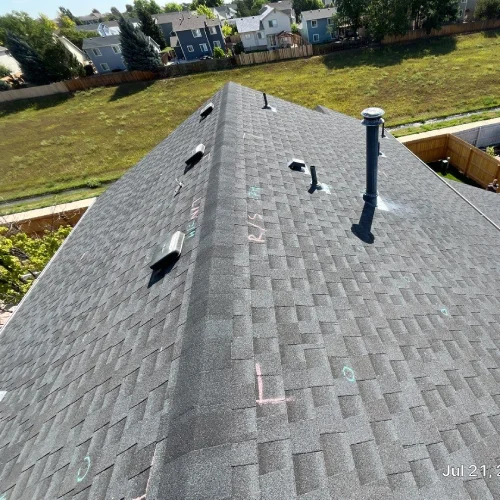
Storms are one of the most common causes of residential roofing issues in Colorado. Hail and wind can damage roofing materials in ways that aren’t always obvious from the ground, even when there are no immediate leaks.
Storm-related roofing damage may include:
- Bruised or fractured shingles
- Loosened fasteners
- Compromised flashing
- Accelerated granule loss
In many cases, storm damage falls somewhere between a simple repair and a full replacement. Hail or wind may affect specific areas of the roof without compromising the entire system, making targeted storm damage repairs a practical solution when addressed early.
The key is recognizing storm-related damage for what it is and responding promptly, before minor issues have the chance to develop into larger, more costly problems.
When Should Homeowners Consider an Insurance Claim?
Insurance claims can feel overwhelming, especially after a storm when emotions are high, and answers are hard to come by. Timing matters, and in many cases, it’s best to first understand the true condition of the roof before contacting your insurance company.
A few important things homeowners should keep in mind:
- Not all storm-related damage meets insurance claim thresholds
- Filing a claim unnecessarily can have long-term implications
- Accurate documentation plays a major role in how claims are evaluated
At Mile High Roofing Services, we’re known for honest, thorough evaluations that help homeowners clearly understand what’s happening with their roof and make informed decisions about next steps, whether that means moving forward with a claim or exploring other options.
While our team is knowledgeable about the insurance process, Mile High Roofing Services does not act as a public insurance adjuster. Our role is to provide honest inspections, clear documentation, and educational guidance so homeowners can make informed decisions before engaging with their insurance provider.
What Happens During a Residential Roofing Inspection?
During a residential roofing inspection, a professional evaluates the condition of the roof, documents any concerns, and explains what the findings mean so homeowners can understand their options.
A residential roofing inspection should feel informative and straightforward, not rushed or intimidating. The purpose is to help homeowners understand what’s happening with their roof and what options they have moving forward.
During an inspection, homeowners can expect:
- A walk-through of the roof’s condition, including shingles, flashing, ventilation, and other key areas
- Photos that show what’s being discussed, especially in areas that aren’t visible from the ground
- A conversation about whether issues are isolated, widespread, or simply cosmetic
- Clear explanations in plain language, without technical jargon or pressure to make a decision on the spot
What Does the Residential Roofing Process Look Like at Mile High Roofing Services?
Roofing projects don’t happen every day, so knowing what to expect can make a big difference. Below is an overview of how residential roofing projects typically unfold when you work with Mile High Roofing Services.
1. You Reach Out
Once you submit a form or call, our team connects with you promptly to understand what’s going on with your roof, where you’re located, and whether a recent storm or insurance concern may be involved.
2. We Schedule an Inspection
An experienced professional visits your home to evaluate the roof in detail. We take photos and look closely at materials, flashing, ventilation, and any areas of concern, always focused on understanding the roof’s true condition.
3. Clear, Honest Guidance
After the inspection, we walk you through what we found using photos and straightforward explanations. You’ll hear whether the issue can be repaired, may require replacement, or doesn’t warrant action at all; no pressure, no assumptions.
4. Straightforward Estimates & Scheduling
If work is recommended, you’ll receive a clear estimate and timeline. Once approved, we coordinate materials and schedule the project efficiently, keeping you informed along the way.
5. Quality Work & Thorough Cleanup
Our crews complete the work with care and efficiency, then clean up the job site thoroughly so your home looks the way it should when we’re finished.
6. Final Review & Documentation
After the job, we provide all final paperwork and warranty information, so you have everything you need for your records and peace of mind.
How Long Does Residential Roofing Work Take?
Roofing work doesn’t follow a single timeline, but most projects move faster than homeowners expect. The scope of work, roofing material, and weather conditions all play a role in how long a project takes.
In many cases:
- Full roof replacements are completed within one to two days
- Smaller repairs may take only a few hours
- Weather, especially in Colorado, can occasionally shift schedules
What Warranties Are Common With Residential Roofing?
Warranties are an important part of any roofing investment, offering protection beyond the day the work is completed. While coverage varies by material and contractor, most residential roofing projects include two main types of warranties, each covering a different part of the system.
Manufacturer warranties apply to the roofing materials themselves. These warranties are provided by the product manufacturer and typically cover defects in the materials, such as premature failure or manufacturing issues, when the roof is installed according to their specifications.
Workmanship warranties cover the quality of the installation. This type of warranty protects against issues that may arise due to installation-related errors, such as improper fastening or flashing, rather than the materials themselves.
Mile High Roofing Services provides a 5-year workmanship warranty.
Together, these warranties help ensure both the materials used and the work performed are protected. Warranty details are included with final project documentation, so homeowners have clear records for future reference and peace of mind.
Are Financing Options Available for Residential Roofing?
Roofing work isn’t something most homeowners plan for, and when it comes up unexpectedly, the financial side can feel just as stressful as the repair itself. Financing can offer breathing room, especially when waiting isn’t the best option.
Our financing options include:
- Financing through a trusted third-party provider
- A soft credit pull to explore eligibility
- Approval based on income and credit
- Payment options reviewed upfront, with clear terms
Financing allows homeowners to address roofing needs, whether from storm damage or normal wear, without unnecessary delays. Our team is always happy to walk through available options and help homeowners decide what makes the most sense for their situation.
How to Choose the Right Residential Roofing Contractor
Choosing a roofing contractor isn’t just about price— it’s about trust. The right contractor should help you understand your roof, explain your options clearly, and make recommendations that align with your home and long-term goals.
When comparing options, look for:
- Local experience, especially with Colorado’s weather and storm patterns
- Clear communication from the first conversation
- Honest inspections that don’t push unnecessary work
- Proper licensing and insurance for peace of mind
- Transparent estimates with no hidden surprises
- Warranty coverage that stands behind both materials and workmanship
Local knowledge matters because it directly impacts how a roof performs over time. Contractors who work in your area understand common storm-related issues, local building requirements, and how different materials actually hold up in real conditions, not just on paper.
A good roofing contractor takes the time to educate homeowners, explain trade-offs, and focus on long-term performance without pressure or scare tactics.
Frequently Asked Questions About Residential Roofing
Homeowners often have quick questions about residential roofing. Below are answers to some of the most common ones we hear.
How often should a residential roof be checked?
Most homeowners benefit from having their roof checked every few years, and after major storms. Regular check-ins can help catch small issues early and extend the life of the roofing system.
Can a roof be damaged even if there are no leaks?
Yes. Storm damage, especially from hail or wind, doesn’t always cause immediate leaks. Issues like bruised shingles or compromised flashing can exist long before water enters the home.
Do I need to be home during a roof inspection?
In most cases, homeowners don’t need to be present for the entire inspection. However, it can be helpful to be available afterward so findings can be reviewed and questions answered.
Will a new roof increase my home’s value?
A well-installed roof can improve curb appeal and buyer confidence, especially if the existing roof is near the end of its lifespan. While returns vary, a new roof is often viewed as a strong selling point.
What should I do if I’m unsure whether roof damage is serious?
If something doesn’t look or feel right, it’s worth having it looked at. Getting clarity early can help homeowners understand whether the issue is cosmetic, repairable, or something that needs closer attention.
Can I see what a new roof will look like before I decide?
Yes. Mile High Roofing Services offers an Owens Corning roof visualizer that lets you preview different shingle colors and styles on a photo of your home. It is a simple way to compare options and feel more confident about your roofing decision.
Have Questions About Your Roof?
If you’re located in Westminster, CO, or the surrounding North Metro Denver area and want a better understanding of your roof’s condition, Mile High Roofing Services is here to help. We’re known for honest inspections, clear communication, and guidance you can trust.